
Detail Cantuman
Advanced Search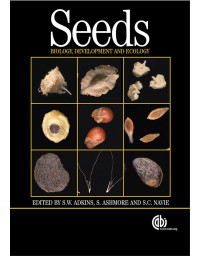
Text
SEEDS: BIOLOGY,DEVELOPMENT AND ECOLOGY
- Bagikan:


Desiccation tolerance (DT), or the capacity to survive nearly complete drying, is consid-ered to be a multifactorial trait, involving the protection of macromolecules against water removal and regulation of the metabolism to prevent oxidative stress and the production of by-products to toxic levels. To obtain a general overview of the processes, molecules and regulating pathways involved in the acquisition of DT, transcriptome profiling was carried out on desiccation-tolerant and desiccation-sensitive stages of Medicago truncatula Gaertn. seeds using 16K microarrays. In order to discriminate DT from other developmental path-ways, differences in gene expression were determined for two different stages: (i) between desiccation-sensitive embryos at 14 days after pollination (DAP) and those that had acquired their DT at 20 DAP; and (ii) between desiccation-sensitive radicles of germinated seeds and radicles of those germinated seeds that had received an osmotic treatment, resulting in the re-establishment of DT. Functional analysis of genes that were at least twofold upregulated or downregulated in both desiccation-tolerant stages revealed that the main groups contain-ing upregulated genes belonged to defence and seed storage reserves. Groups containing typically downregulated genes were those involved in cell cycle and DNA processing as well as primary and energy metabolism. The main findings are discussed and compared with other desiccation-tolerant organisms.
Ketersediaan
Tidak ada salinan data
Informasi Detil
| Judul Seri |
-
|
|---|---|
| No. Panggil |
-
|
| Penerbit | Cromwell Press : LONDON., 2007 |
| Deskripsi Fisik |
-
|
| Bahasa |
English
|
| ISBN/ISSN |
978 1 84593 197 1
|
| Klasifikasi |
NONE
|
| Tipe Isi |
-
|
| Tipe Media |
-
|
|---|---|
| Tipe Pembawa |
-
|
| Edisi |
-
|
| Subyek | |
| Info Detil Spesifik |
-
|
| Pernyataan Tanggungjawab |
-
|
Versi lain/terkait
Tidak tersedia versi lain